Azelaic Acid: A Game Changer for Managing Rosacea Effectively
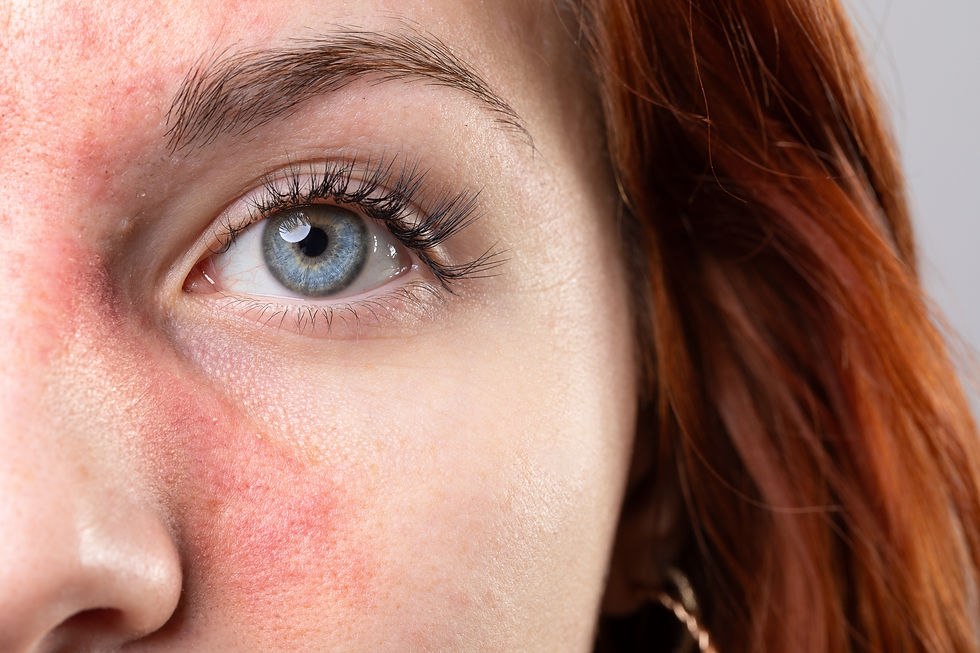
Rosacea affects millions globally, causing facial redness, visible blood vessels, and acne-like bumps. This condition can not only be uncomfortable but also impact mental well-being. Among various treatments, azelaic acid stands out as an effective tool in managing rosacea symptoms. In this blog post, we will examine azelaic acid, its mechanisms, benefits, and practical advice for integrating it into your skincare routine.
Understanding Azelaic Acid
Azelaic acid is a natural compound derived from grains like barley, wheat, and rye. Known for its anti-inflammatory, antibacterial, and keratolytic properties, azelaic acid has been used for many years in dermatology. It is particularly beneficial for addressing numerous skin issues, including both acne and rosacea.
This acid effectively reduces inflammation and redness, common signs of rosacea. It also helps unclog pores and prevent new blemishes. For someone managing rosacea, azelaic acid can be a versatile ally.
How Azelaic Acid Works for Rosacea
Azelaic acid combats rosacea through several key actions:
Anti-inflammatory Properties: By decreasing inflammatory compounds in the skin, azelaic acid helps soothe redness and swelling linked to rosacea.
Antibacterial Action: This acid targets bacteria, specifically Propionibacterium acnes, that aggravates rosacea flare-ups.
Keratolytic Effects: Azelaic acid encourages the shedding of dead skin cells. This can prevent clogged pores and the formation of unwanted blemishes.
Inhibition of Abnormal Blood Vessel Formation: Studies indicate that azelaic acid can improve the appearance of visible blood vessels, an issue for many with rosacea.
These actions help to significantly enhance skin appearance, lowering the frequency and intensity of rosacea flare-ups.
Benefits of Azelaic Acid for Rosacea
1. Gentle on the Skin
Azelaic acid is known for being mild. In contrast to treatments like topical retinoids or benzoyl peroxide, which can irritate, azelaic acid is less likely to cause dryness or irritation. It’s a great option for sensitive skin, which many rosacea sufferers typically have.
2. Multi-Functional Treatment
Azelaic acid not only addresses rosacea but also tackles other skin concerns like acne and hyperpigmentation. This means that with one product, you can simplify your routine while effectively managing multiple skin issues. For example, a formulation with 15% azelaic acid could aid in reducing both rosacea symptoms and post-acne marks.
3. Clinically Proven Efficacy
Research backs the effectiveness of azelaic acid. In various clinical trials, patients treated with this acid showed a 50% reduction in redness and papules within 12 weeks compared to controls. This solid evidence supports its use as a top treatment for rosacea.
4. Minimal Side Effects
Unlike some rosacea treatments that may cause dryness or skin peeling, azelaic acid usually has minimal side effects. Most users tolerate it well, making it a safe choice for long-term use.
5. Availability
Azelaic acid comes in various forms, including creams, gels, and foams, making it simple to work into your regimen. It’s also accessible over-the-counter at lower concentrations (typically around 10%), while higher strengths (15% to 20%) might require a prescription.
Incorporating Azelaic Acid into Your Skincare Routine
Step 1: Choose the Right Formulation
Select an azelaic acid product based on your skin type. If you have dry skin, creams may provide better hydration, while gels might be more suitable for oily or acne-prone skin. Aim for products with concentrations between 10% and 20% for best results.
Step 2: Patch Test
Start with a patch test. Apply a small amount of azelaic acid to a limited area and observe for any reactions over 24 hours. This is vital for ensuring the product works for your skin.
Step 3: Start Slowly
If azelaic acid is new to your routine, begin by using it every other day. Gradually increase frequency to daily use as your skin gets accustomed to it.
Step 4: Apply to Clean Skin
To maximize results, always apply azelaic acid on clean, dry skin. After cleansing, wait a few minutes before applying to ensure optimal absorption.
Step 5: Follow with Moisturizer
After applying azelaic acid, use a gentle moisturizer to help retain hydration. This is essential to ward off potential dryness.
Step 6: Use Sunscreen
As azelaic acid can increase sun sensitivity, always apply broad-spectrum sunscreen with SPF 30 or higher during the day. Protecting your skin from UV rays is crucial for preventing damage and irritation.
Potential Side Effects and Considerations
Though generally well-tolerated, azelaic acid may cause mild side effects for some, including:
Skin Irritation: Redness or stinging can occur initially, but these symptoms often lessen with continued use.
Dryness or Peeling: Higher concentrations may cause dryness. If this happens, reduce usage frequency or opt for a more hydrating moisturizer.
Allergic Reactions: Allergic responses are rare. Seek immediate help if you experience severe itching, swelling, or rash.
Consulting a dermatologist before starting any new treatment is advisable, particularly if you have sensitive skin or are using other rosacea medications.
Final Thoughts
Azelaic acid represents a breakthrough for effective rosacea management. Its unique properties foster inflammation reduction, antibacterial action, and overall skin health. With its gentle application and proven results, azelaic acid can help you achieve clearer and more balanced skin.
If you're considering adding azelaic acid to your skincare arsenal, remember to take it slow, select the formulation best suited for you, and prioritize sun protection. Consistency and patience can lead to long-term benefits in your journey against rosacea.
Visit www.minnskin.com to get your prescription today!

References
Draelos, Z. D. (2016). "Azelaic Acid: A Review of Its Use in Dermatology." Journal of Clinical and Aesthetic Dermatology, 9(1), 36-40.
Thiboutot, D., et al. (2003). "Azelaic Acid: A Review of Its Use in the Treatment of Acne and Rosacea." Journal of Drugs in Dermatology, 2(5), 515-520.
Kauffman, H. S., & Kauffman, M. (2018). "The Role of Azelaic Acid in the Treatment of Rosacea." American Journal of Clinical Dermatology, 19(4), 523-530.
Del Rosso, J. Q., & Kim, G. (2015). "Azelaic Acid: A Review of Its Use in the Treatment of Rosacea." Journal of Clinical and Aesthetic Dermatology, 8(4), 30-34.
Draelos, Z. D. (2018). "The Role of Azelaic Acid in the Treatment of Rosacea." Dermatology Times, 40(4), 1-5.


Comments